 GUMMY SUPPLEMENT OEM / ODM
Creatine Gummies: What Brands Should Evaluate Before Launch
A practical launch checklist covering creatine identity, daily serving, gummy piece count, finished-product analysis, stability and packaging decisions.
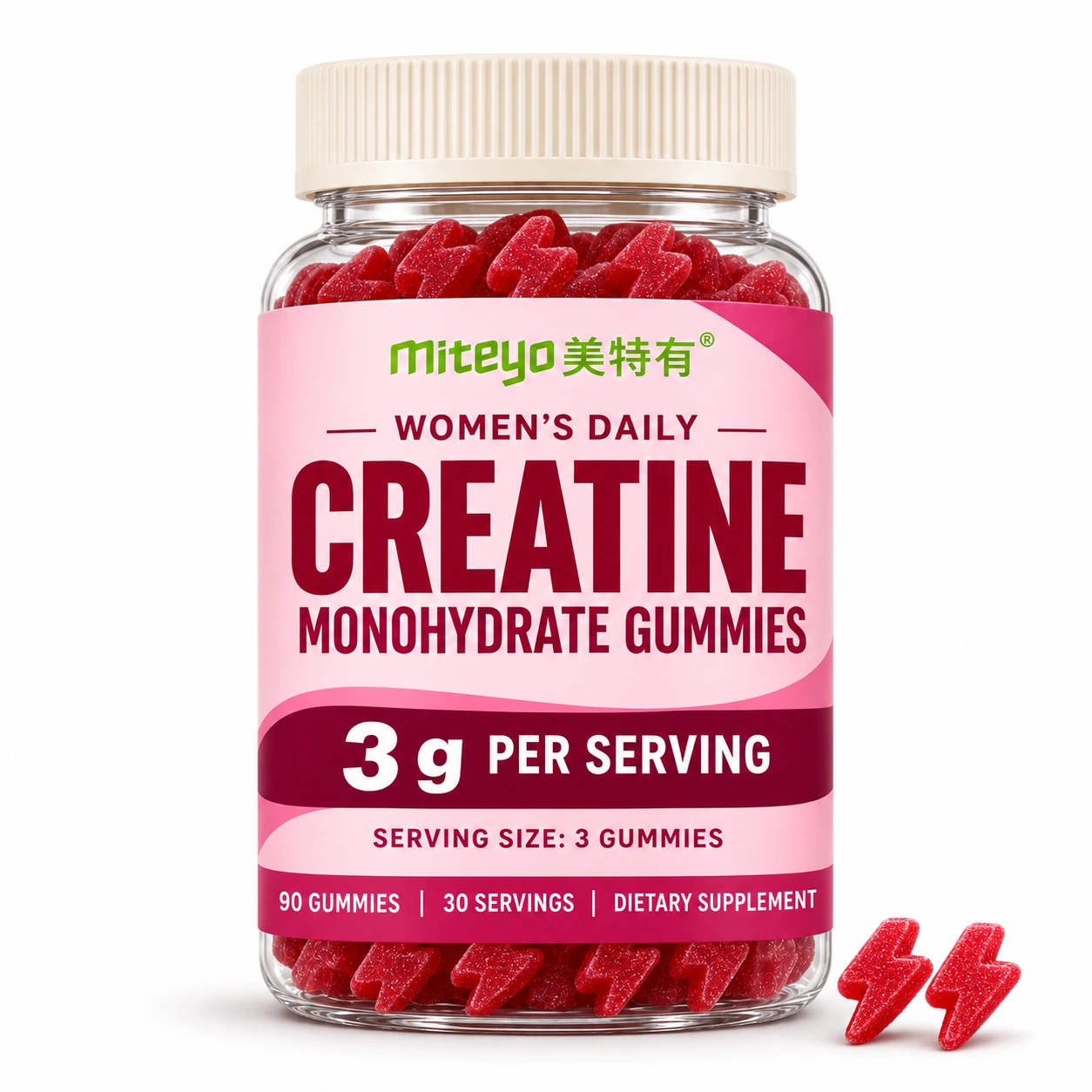
Start with a named ingredient and a clear product brief
“Creatine gummies” describes the delivery format, not a complete specification. Identify the creatine material, supplier documentation, intended audience, destination market and proposed daily serving before finalizing the label design. The NIH Office of Dietary Supplements summarizes research on creatine for exercise performance; that background is not a validation of a particular gummy formulation.
For an OEM project, the buyer’s first decision is whether the planned formula and serving can be developed into an acceptable finished product. A familiar ingredient does not remove the need to evaluate its behavior in the chosen gummy matrix. Our Creatine Gummies development direction starts that discussion without presenting a fixed retail formula.
Keep daily serving, piece count and package count connected
State the proposed amount per daily serving and the preferred number of pieces, then ask the development team to assess feasibility alongside piece weight, taste and texture. Do not approve front-label numbers before those choices have been reconciled. A bottle count is a separate packaging decision: the same number of gummies can represent different numbers of servings.
| Buyer decision | Information to agree | Why it matters |
|---|---|---|
| Ingredient identity | Creatine form, material specification and supplier documentation. | Keeps the formulation and purchasing reference consistent. |
| Serving format | Proposed daily amount, piece weight and daily piece count. | Connects the ingredient target with a practical gummy serving. |
| Finished-product analysis | Test item, method suitability, units and acceptance criteria. | Defines what the batch result actually reports. |
| Shelf-life plan | Formula, package, storage conditions and testing points. | Assesses the product being launched rather than another format. |
| Commercial pack | Gummies per pack, servings per pack and closure or seal. | Keeps artwork and the package specification aligned. |
Treat stability as a formulation question
Published laboratory work has examined creatine stability under different water-activity and temperature conditions. Those findings justify investigating the chosen formulation; they do not establish a shelf life for MITEYO gummies or any other finished brand. See Uzzan and colleagues’ storage-stability study for the experimental context.
Ask which sample and package will enter the stability review, what will be measured and how results will be assessed. Changing the acid system, ingredient loading, texture or package can change the product being evaluated. When a revision is made, agree whether it requires additional work before relying on earlier results. Neither a powder’s storage history nor a generic statement that “gummies are stable” settles that question.
Request documents that identify the finished gummy
A supplier COA helps identify an incoming ingredient. It does not report the amount of creatine in the finished gummy after manufacturing. Before production approval, connect the finished-product specification with the relevant batch identification, agreed testing scope and reporting units. Our guide to ingredient versus finished-gummy COAs explains that distinction.
Ask the testing provider how the selected method is suited to the gummy matrix and how the result relates to the proposed declaration. Clarify whether the report concerns a development sample, a release sample or a later stability point. Avoid treating a single report as an answer to all three.
Taste and handling remain launch decisions
Review the proposed serving as a consumer would encounter it: the whole daily piece count, the intended flavor and the actual package. Record chew, aftertaste, piece separation and appearance after handling. A buyer comparing supplier quotations should compare the same formula scope, testing plan and packaging assumptions, not only the price per bottle.
For a range extension, decide whether the product should share the look of your existing sports nutrition gummies or have a separate identity. Keep marketing claims subject to the actual formulation and target-market review; this guide does not prescribe a consumer dose or establish product efficacy.
A useful brief leads to a useful proposal
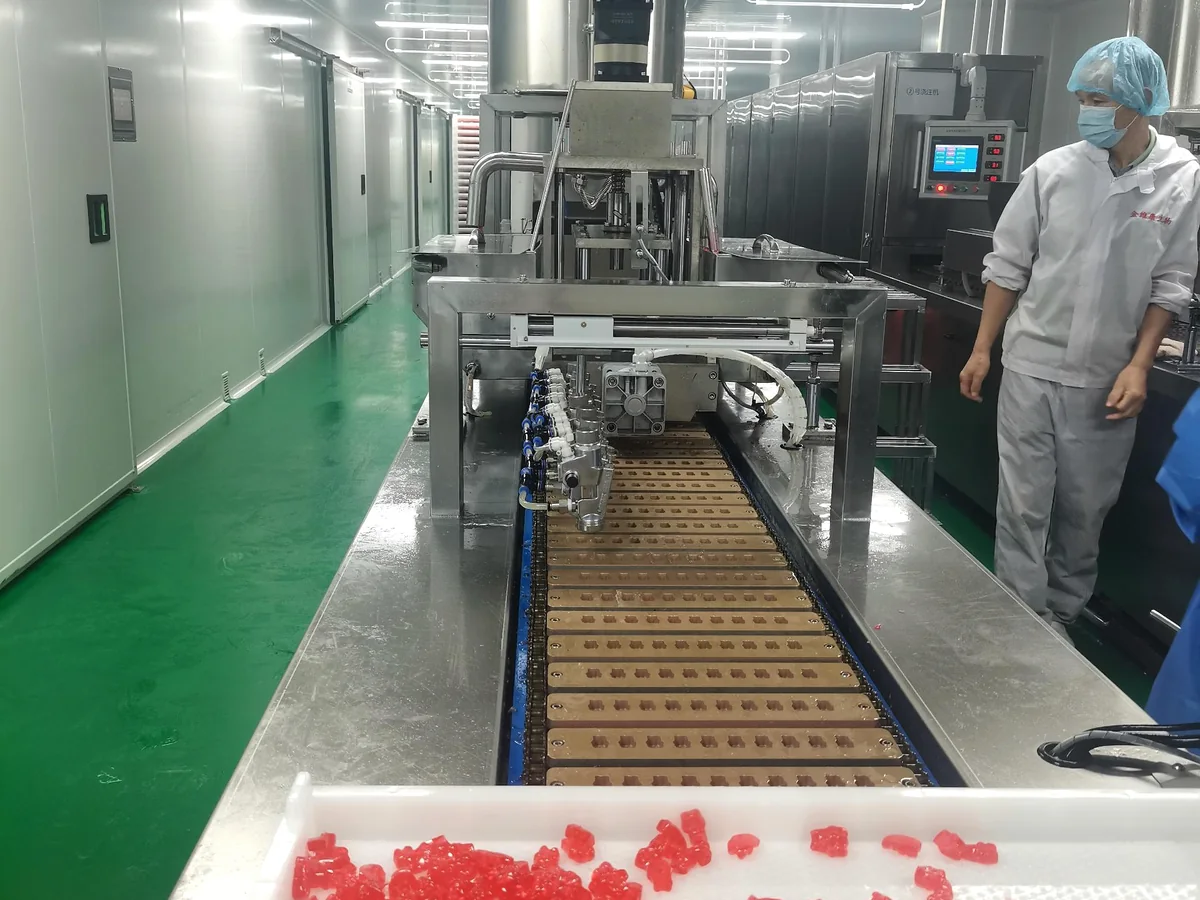
Send MITEYO the destination market, ingredient specification, proposed serving, preferred piece count, flavor, package and expected first order. Include any testing documents your purchasing team requires. We connect formulation, sampling and manufacturing through our own factory; quantity and commercial terms are confirmed for the selected project. Start with a custom-formulation review before approving the final artwork.
Gummy manufacturing questions
Does a creatine raw-material COA establish the content of finished gummies?
No. An incoming-material COA concerns that ingredient. Finished gummies need their own agreed specification and relevant batch testing, with the method, reporting units and sample identity clearly stated.
Can a creatine gummy shelf life be copied from a creatine powder?
No. Evaluate the intended gummy formula and commercial package under the agreed stability plan. A powder’s storage data or a study on a different matrix does not establish the shelf life of that gummy.