 GUMMY SUPPLEMENT OEM / ODM
Writing a Zero-Sugar Gummy Brief
A sugar claim changes more than the front label.
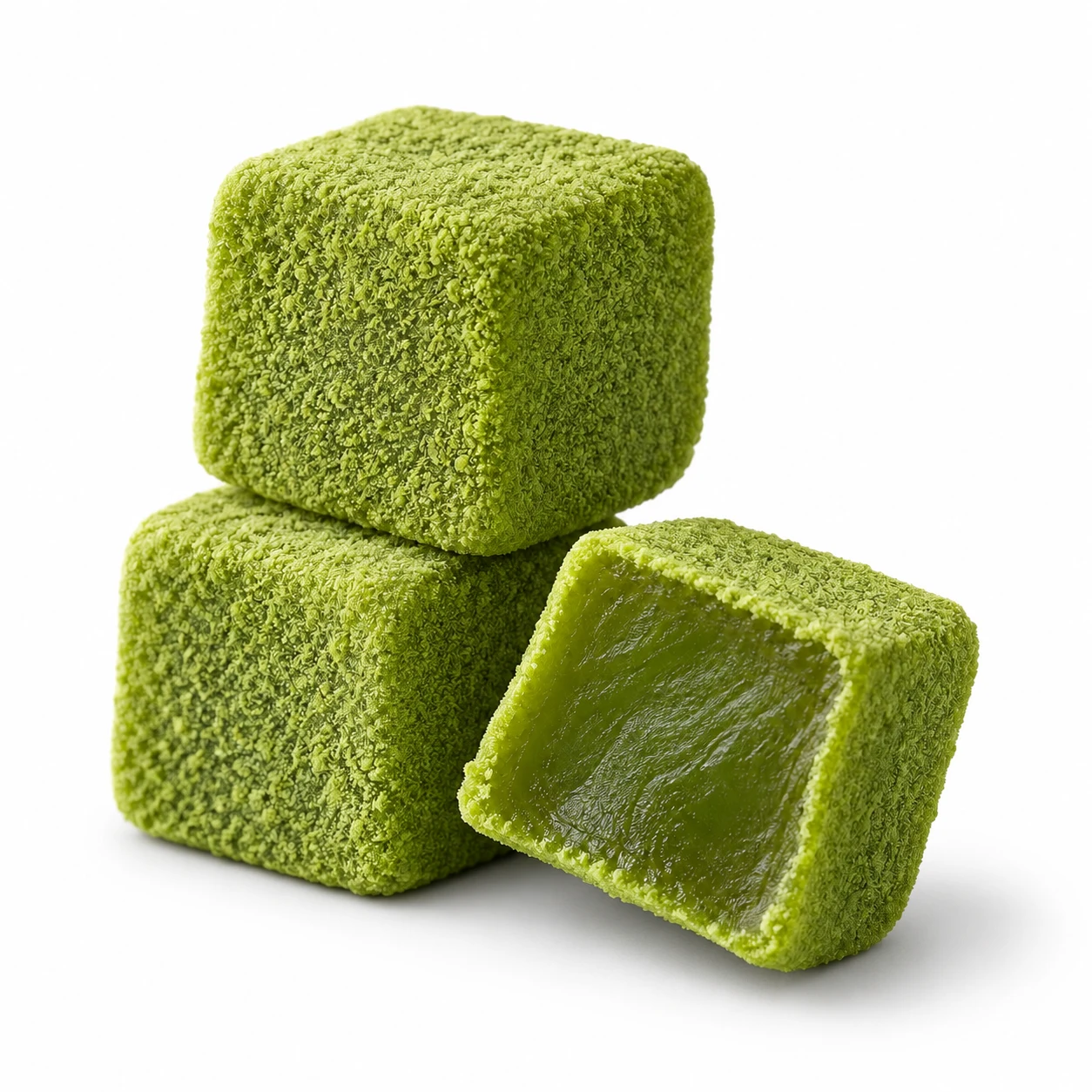
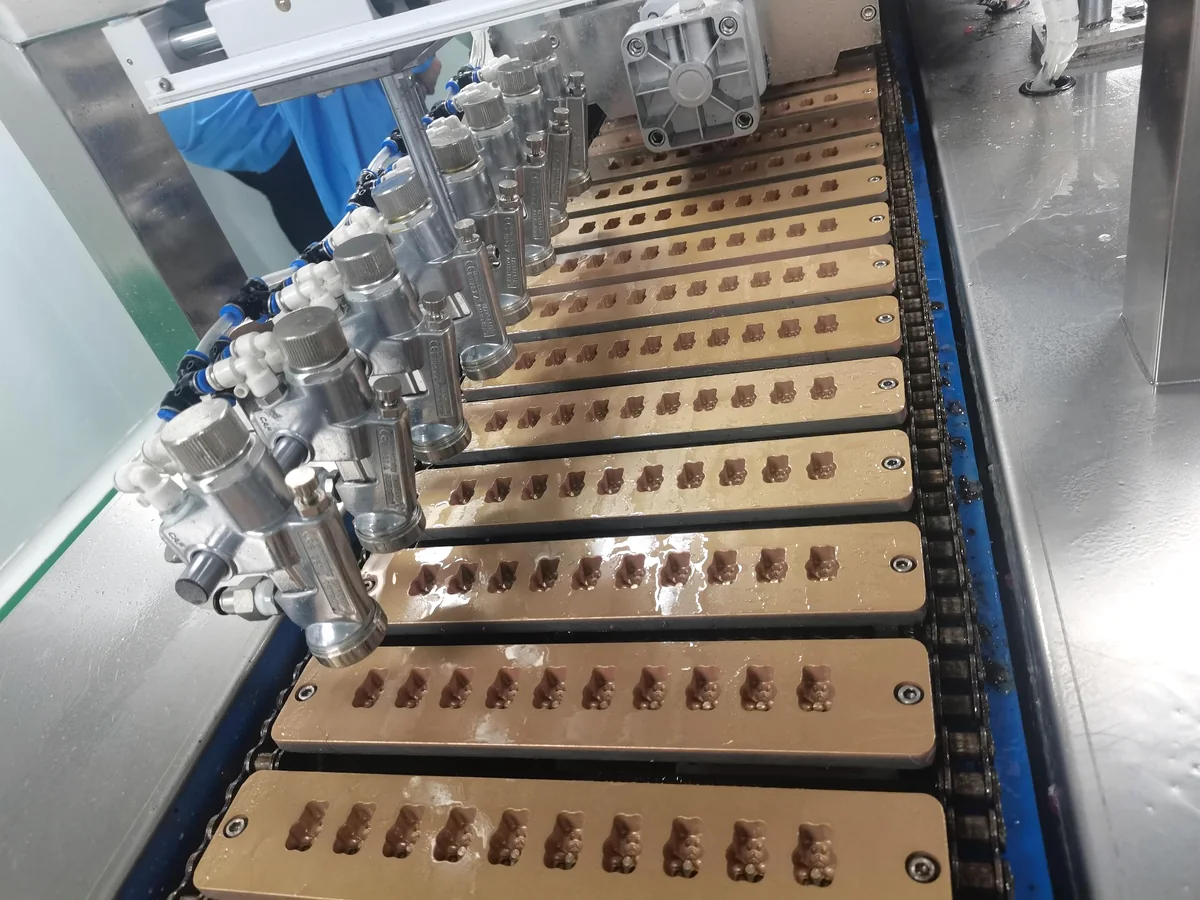
A sugar claim changes more than the front label.
Describe the product goal precisely
A zero-sugar development brief should describe more than a front-label phrase. Start with the intended market, consumer routine, daily serving and the taste and texture you want to achieve. Identify ingredients or sweeteners your brand prefers to use or exclude.
Discuss the formula and proposed label wording together with the team responsible for your market review. The development process should work toward an agreed product specification rather than assume one sweetener substitution resolves every requirement.
Review sweetness and texture together
Compare the sweetness profile, flavor release, chew and aftertaste in samples. An ingredient blend can introduce its own taste and color, so review the complete formula rather than judging a sweetener in isolation.
Record which sensory characteristics matter most to your brand. Use a consistent sample-review form so feedback from marketing, purchasing and development teams can be compared.
Define the serving and ingredient shortlist
Specify the intended number of gummies per serving and the ingredient forms to review. Separate the core ingredient direction from optional additions, flavor preferences and packaging decisions.
Where a preferred ingredient or sweetener creates a difficult sensory result, ask the development team to propose alternatives for review. Keep the reason for each change visible in the project brief.
Assess the packed product
Connect the sensory target with the package, storage review and product-specific quality checks. Confirm the artwork and ingredient declaration through the appropriate market review before production approval.
Your next step: send the market, serving, ingredient shortlist, sweetener preferences and reference texture. A detailed brief makes it easier to compare practical formulation routes and approve a sample your team can stand behind.
How should a zero-sugar brief be structured?
| Review item | What to confirm |
|---|---|
| Market and wording | Identify the destination and the claim you intend to assess. |
| Sweetening system | Identify sweeteners and any polyols or fiber inputs for review. |
| Sensory target | Record sweetness onset, cooling notes, aftertaste and the preferred chew. |
| Final declaration | Connect the complete recipe, serving and required analysis to label review. |
Keep sugar, carbohydrate and dietary positioning separate
A sugar-related brief does not establish every other nutritional or dietary characteristic. Review the complete recipe and the intended label wording rather than inferring claims from one ingredient substitution. Make sure the sample review and declaration review refer to the same formula version.
Compare samples with a structured scorecard
Use the same review group and sample conditions. Score sweetness, first bite, chew-down, aftertaste and handling, then name the attributes that should change. Packaging review still matters: a different sweetening system can require its own assessment of surface appearance and piece separation.
Review the related MITEYO service · How we prepare these guides
Gummy manufacturing questions
What belongs in a zero-sugar gummy development brief?
Specify the intended market, sweetener preferences, daily serving, texture and flavor. The formula and label wording must fit the product and market requirements.
What sensory notes help compare zero-sugar sample routes?
Record sweetness onset, flavor release, chew and aftertaste in the complete formula. Those observations help distinguish the preferred sensory result from a preference for one sweetener name.