 GUMMY SUPPLEMENT OEM / ODM
Mochi-Style vs Traditional Gummies: A Brand Development Guide
Compare solid Mochi-style bites and conventional gummies by texture, surface finish, sample review and packaging before choosing your private-label format.
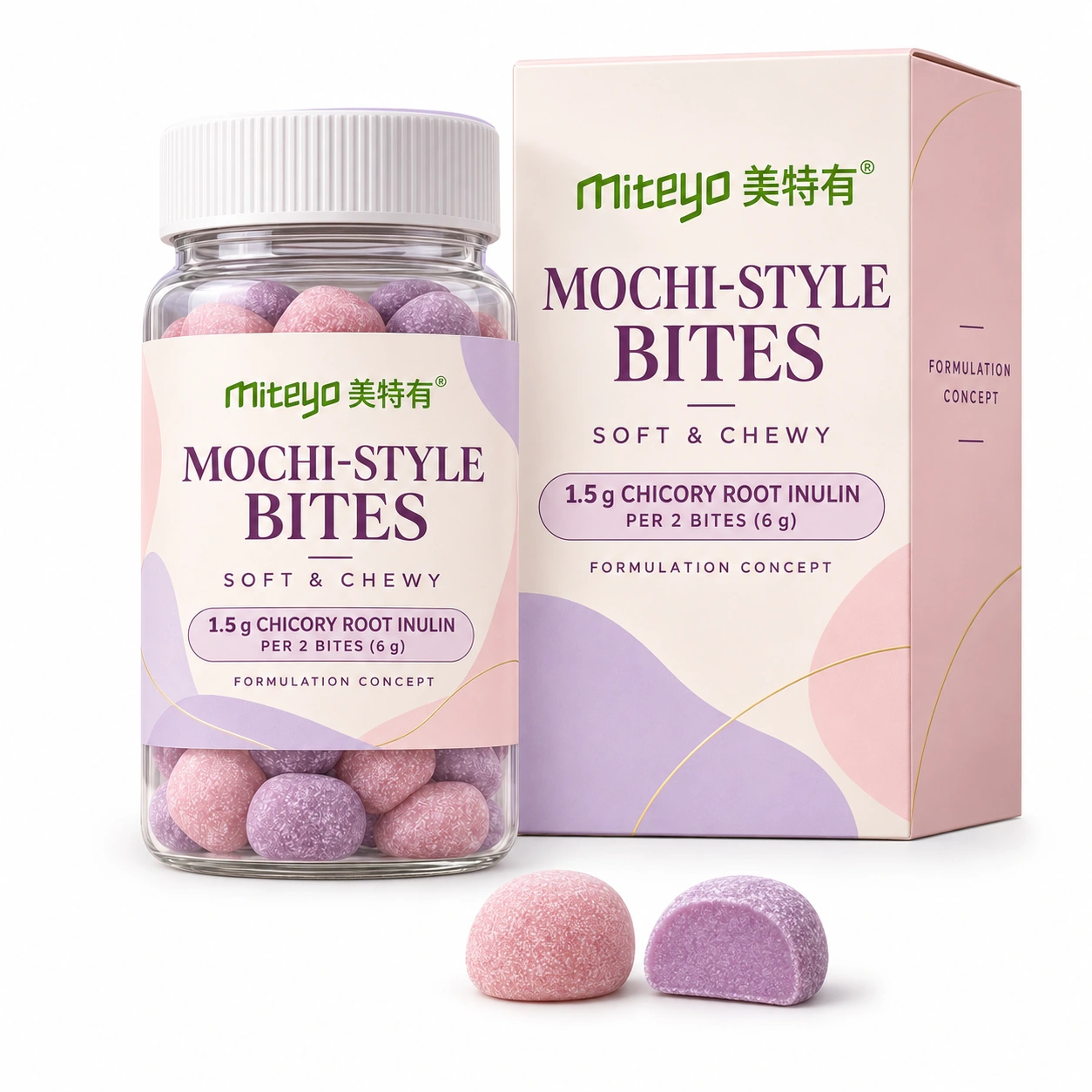
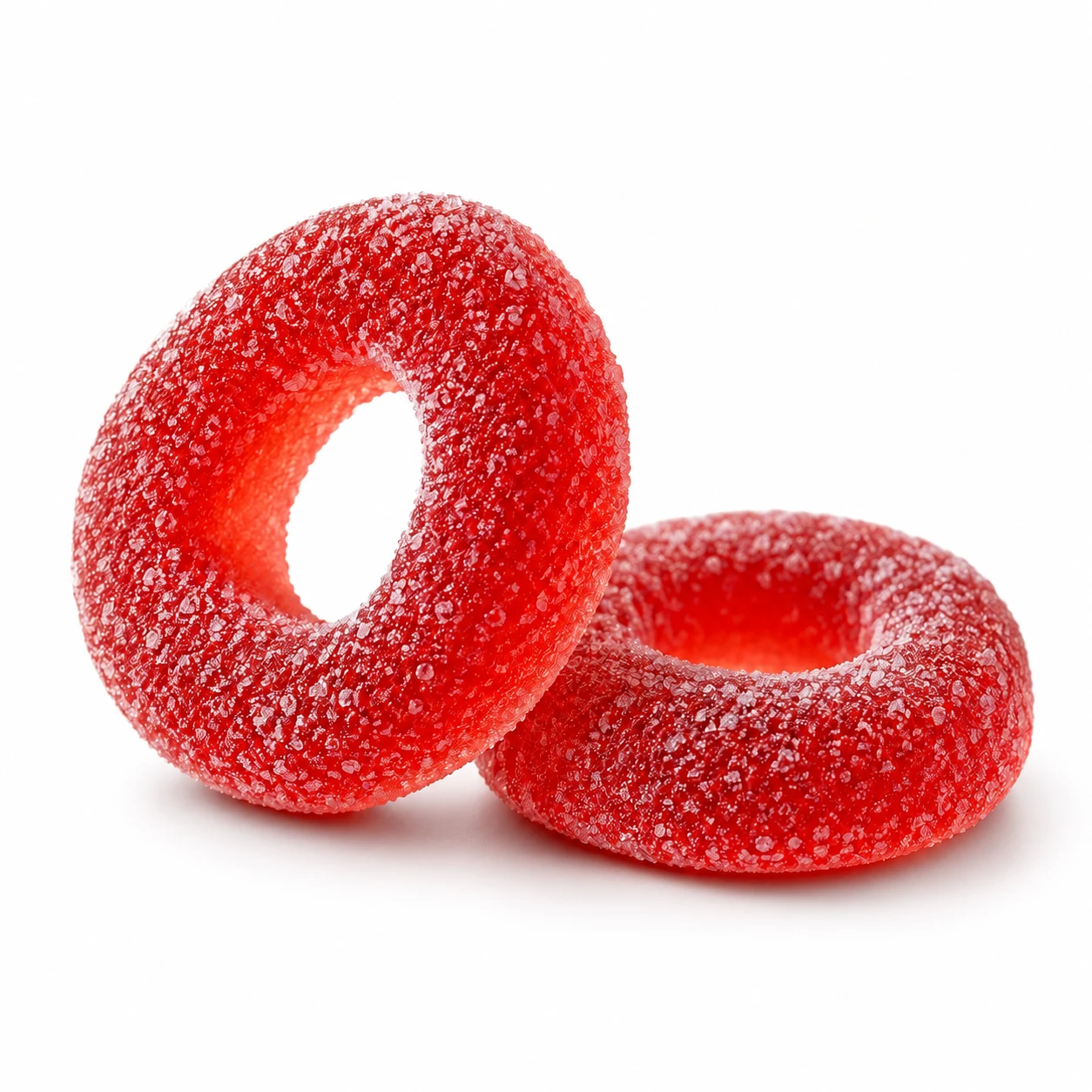
What does Mochi-style mean for a gummy brand?
At MITEYO, Mochi-style bites describe a solid, chewy gummy development direction with a softer sensory profile and a fine powder-film finish. They are not presented as liquid-filled pieces. The style name is also not an ingredient declaration: a buyer should not assume the product contains rice flour, follows a traditional rice-cake recipe or qualifies for a dietary claim.
The commercial opportunity is a recognizable eating experience. A beauty range, evening routine or fruit-led collection can use the texture and finish to establish a distinct sensory identity. That positioning still needs an ingredient brief and a package that suit the actual formula. See our Mochi-style gummy development page for the format direction.
Compare the experience before choosing the format
| Decision | Mochi-style direction | Conventional gummy direction |
|---|---|---|
| First bite | Target a soft, pillowy impression. Agree what softness means in the reference sample. | Define the desired firmness, springiness and chew from a familiar reference. |
| Surface | Review the fine powder-film finish for appearance, touch and handling. | Choose a smooth, coated or other agreed surface finish. |
| Shape and identity | Rounded bites can make the texture easy to recognize. Confirm size and piece weight. | Bears, hearts, stars and other shapes can connect the product to the brand. |
| Formula fit | Check the ingredient blend in the selected soft-texture system. | Check the same blend in the chosen conventional base. |
| Package review | Assess piece separation, surface appearance and texture in the proposed pack. | Assess sticking, deformation and chew in the proposed pack. |
Use one brief for a useful sample comparison
Comparing two samples with different flavors, sizes and ingredient blends makes it difficult to identify why one feels better. Where feasible, keep the audience, flavor direction and intended serving comparable while the team evaluates the texture options. Record which differences remain, rather than treating the samples as interchangeable.
A practical review sheet should ask about the first bite, chew-down, aftertaste, surface residue, ease of picking up a piece and consistency between pieces. Have the same decision-makers score both samples using the same questions. A preferred sample becomes useful when the purchasing and product teams can explain what they want preserved in the next iteration.
- Identify the sample: use its project reference, formula version and date.
- Describe the change: ask for a softer first bite or less surface residue, rather than only saying “more premium.”
- Check the serving: connect the selected piece weight with the intended daily piece count.
- Record the decision: distinguish an approved sensory direction from a production-approved specification.
A distinctive texture needs its own packaging review
A sample that looks attractive in a display dish is not the same as a product evaluated inside its intended commercial package. Review the fill count, headspace, closure or seal, handling and expected distribution conditions with the actual gummy. Use the approved package configuration for the agreed stability work rather than transferring a shelf-life statement from another format.
For a coordinated range, also consider whether the Mochi product should share a bottle family with existing gummies or use a distinct pack. A consistent label system can unite the range while color and texture separate the individual products. Our packaging development options provide a starting point for that discussion.
What to send with your Mochi development request
Send the target market, intended audience, preferred ingredient combination, flavor reference, piece-count preference and packaging direction. Include the sensory qualities that matter most and any ingredient exclusions. Treat the development image as a visual reference; the approved formula and specification define what will be manufactured.
MITEYO connects custom formulation, sampling and production through our own factory. Project discussions start from 500 bottles, with formula, packaging and quantity confirmed for the selected scope. For related portfolio directions, explore Beauty & Collagen and Sleep & Relaxation.
Gummy manufacturing questions
Does a Mochi-style gummy automatically contain rice flour?
No. MITEYO uses Mochi-style to describe a sensory development direction. The ingredient list and agreed formulation determine whether rice-derived ingredients are present; the style name alone does not.
What should a brand compare in Mochi and conventional gummy samples?
Compare first-bite softness, chew-down, surface finish, aftertaste, piece weight and the intended serving. Record formula and flavor differences so feedback can be traced to the correct sample.